Lindsay Clancy trial shines spotlight on maternal mental health
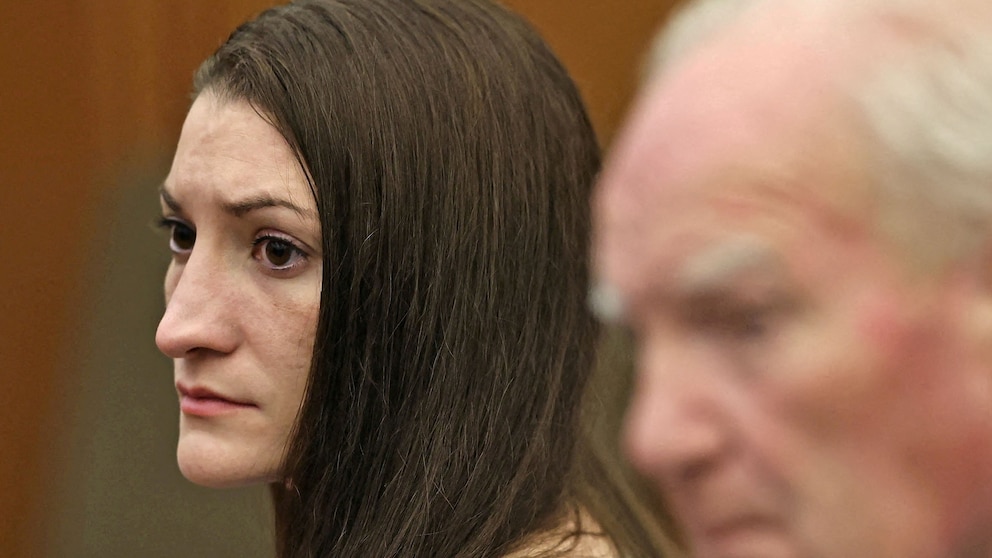
Widespread attention on the Lindsay Clancy murder trial has turned a national spotlight on maternal mental health.
The Massachusetts mother has pleaded not guilty to three murder charges for the deaths of her 5-year-old daughter Cora, 3-year-old son Dawson and infant son Callan at the family's home in Duxbury, a Boston suburb, on Jan. 24, 2023.
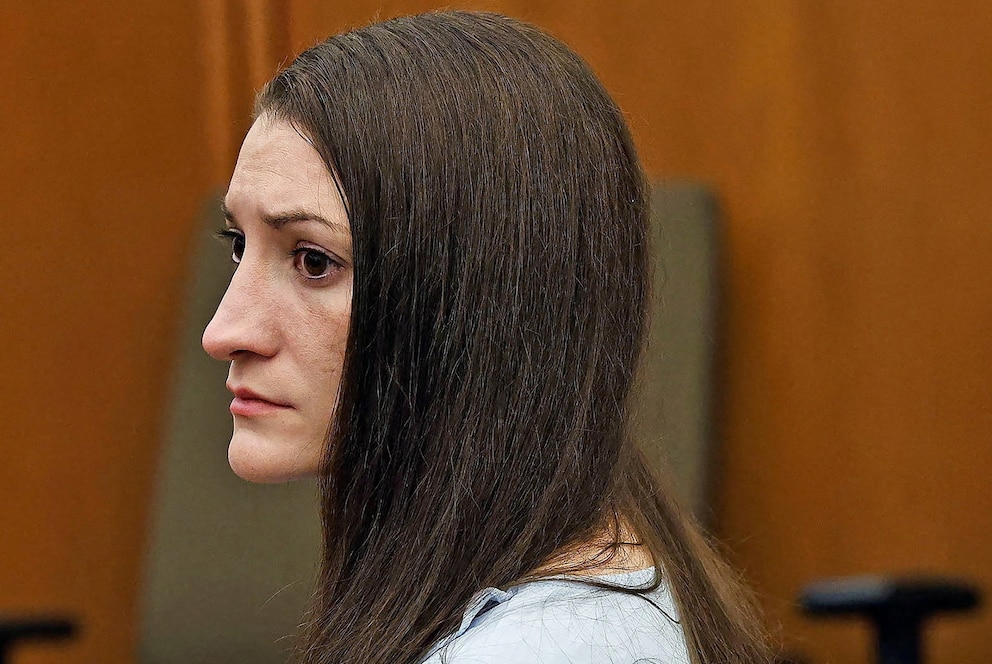
Jurors in the trial are continuing to deliberate after watching weeks of testimony concerning whether or not Clancy was suffering from postpartum psychosis when she strangled her children and attempted to take her own life, and whether she should be held criminally liable for the killings.
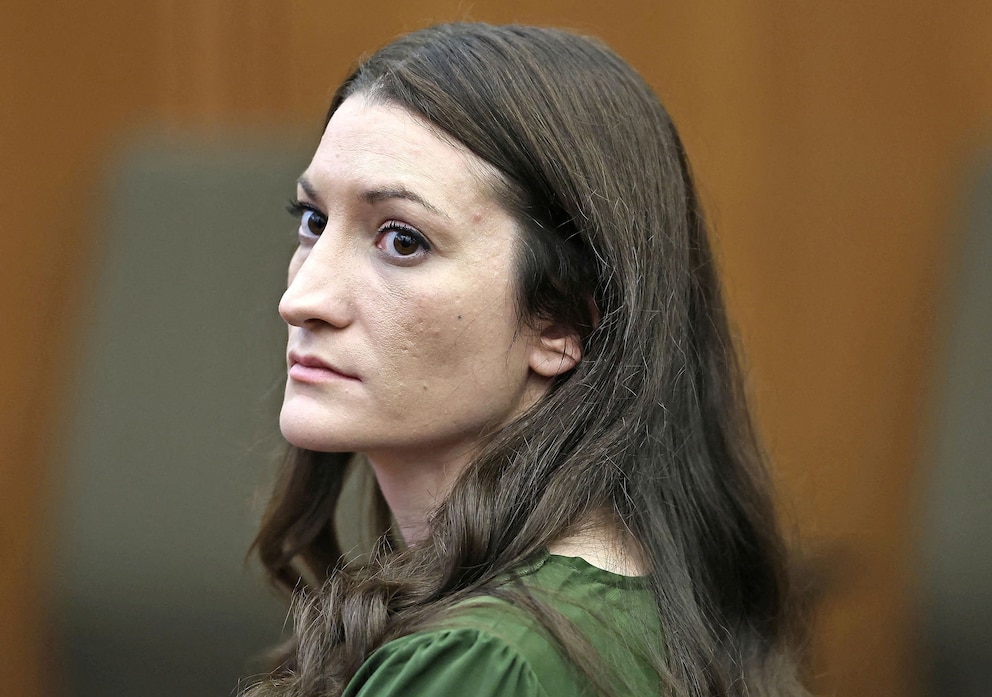
The former nurse attempted suicide on the night of her children's deaths, leaving her paralyzed and in a wheelchair, according to state prosecutors.
Throughout Clancy's five-week trial, thousands have supported Clancy online, and hundreds of supporters dressed in pink have rallied outside the courthouse and the state hospital where Clancy is being held.
For maternal mental health advocates like Adrienne Griffin, the ongoing trial is yet another call to action for more awareness of and funding for maternal mental health.
"It is an absolute tragedy what has happened to the Clancy family," Griffin told ABC News' Elizabeth Schulze. "And it is horrific that it takes a tragedy like this for us to talk about this topic."
Griffin is the executive director of the Maternal Mental Health Leadership Alliance, a nonprofit organization that advocates for more funding and resources for expectant mothers and new moms alike.
She said she was determined to start the nonprofit after experiencing mental health struggles following the birth of her second child.
"I still have this pit in my stomach when I think about how exhausted and overwhelmed and hopeless I was," Griffin said. "During that dark time, I decided I needed to do something about this so other women wouldn't suffer."
Tune into "I'm Not OK: America's Postpartum Crisis" Thursday night at 8 p.m. ET on ABC News Live, streaming the next day on Disney+ and Hulu.
Griffin's organization created the National Maternal Mental Health Hotline, which provides 24/7 free, confidential support in both English and Spanish.
She and other maternal mental health advocates say that while the mental health crisis has continued to grow, funding for it has not kept pace.
"It is 100% an underfunded area," Griffin said.
Postpartum depression -- a depression that occurs after having a baby -- affects as many as 1 in 8 women who give birth, according to the U.S. Centers for Disease Control and Prevention.
Postpartum psychosis is far less common than postpartum depression. It affects roughly 1 to 3 mothers per 1,000 births, according to the American College of Obstetricians and Gynecologists.
"This year, our two programs -- the hotline and the state grant program -- get a total of $20 million in [federal] funding, which sounds like a lot of money," Griffin said, adding, "The budget for the [U.S.] Department of Health and Human Services is a hundred billion dollars."
Over the past year, the Trump administration has made staff and funding cuts at federal health agencies. Grant Witness, an organization that tracks federal research funding cuts, reported that nine grants at the National Institutes of Health related to both postpartum and depression were terminated or frozen after President Donald Trump took office in 2025.
The grants have since been reinstated, according to Grant Witness.
"It's incredibly hard to keep track of what's been cut and what is being said about what's being cut," Christa Reynolds, a former NIH employee who was fired from the agency last year, told ABC News. "Everyone was just so confused and stressed."
HHS told ABC News in a statement that the agency is "committed to supporting moms and families with the critical tools and resources they need to foster healthy pregnancies, strengthen young families, and create brighter futures for their children."
The agency pointed to a new website, Moms.gov, where families can find information and support on maternal mental health.
Tune into "I'm Not OK: America's Postpartum Crisis" Thursday night at 8 p.m. ET, on ABC News Live and streaming the next day on Disney+ and Hulu.
If you or someone you know is struggling with thoughts of suicide, call or text 988 or chat 988lifeline.org. Free, confidential help is available 24 hours a day, 7 days a week. You are not on your own.
The Walt Disney Co. is the parent company of ABC News, Disney+ and Hulu.