• Video
  • Shop
  • Culture
  • Family
  • Wellness
  • Food
  • Living
  • Style
  • Travel
  • News
  • Book Club
  • Newsletter
  • Privacy Policy
  • Your US State Privacy Rights
  • Children's Online Privacy Policy
  • Interest-Based Ads
  • Terms of Use
  • Your Privacy Choices
  • Contact Us
  • Recalls and Product Safety Alerts
  • © 2026 ABC News
  • Wellness

Breakthrough cancer vaccine reduces melanoma from returning by 42%, data shows
1:26
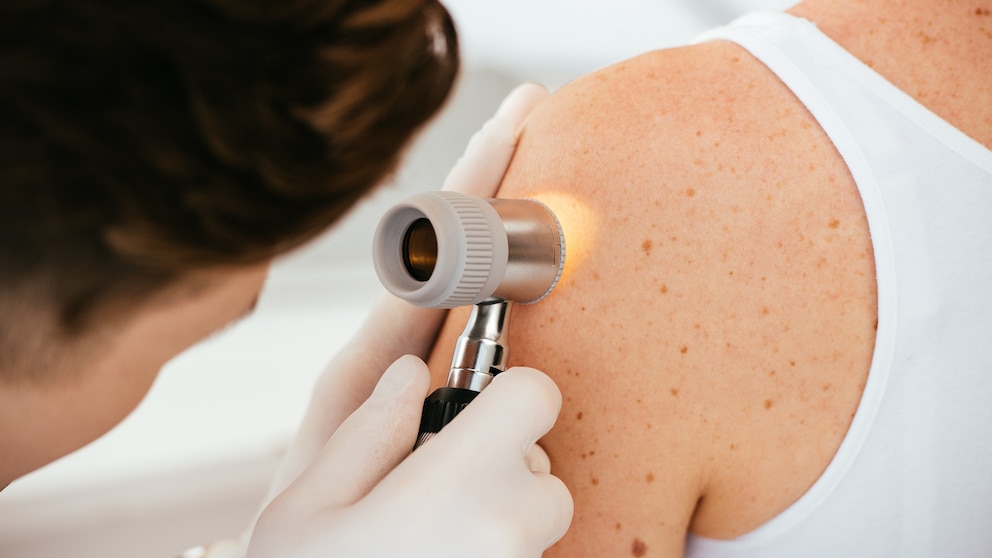
Possible breakthrough cancer vaccine for melanoma treatment
Adobe Stock
ByKatie Kindelan
October 23, 2026, 5:22 PM

A breakthrough vaccine treatment has been found in newly-published data to lower the risk of melanoma returning and cancer-related death by 42% when combined with standard treatment.

Merck and Moderna released new data Thursday showing that adding their personalized mRNA-based cancer vaccine to the standard immunotherapy drug Keytruda, also produced by Merck, for melanoma treatment resulted in 82% of patients living cancer-free two years after treatment, compared with 70% of patients living cancer-free after using Keytruda alone.

The Phase 3 trial results included 1,137 adults whose stage 2B to 4 melanoma had been surgically removed, according to Merck and Moderna.
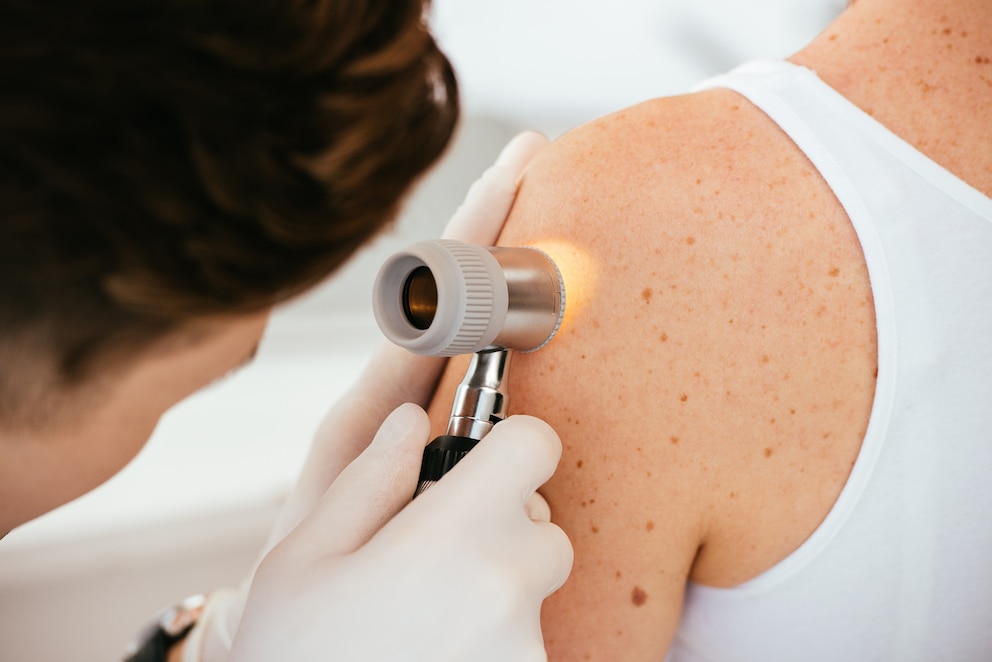
A dermatologist uses a dermatoscope while examining patient.
Adobe Stock

Melanoma is a type of skin cancer that begins in the melanocytes, or the cells that produce melanin in the body, according to the U.S. Centers for Disease Control and Prevention. It is often caused by overexposure to ultraviolet or UV rays from the sun, sun lamps or tanning beds.

Melanoma is considered to be one of the deadliest forms of skin cancer because it tends to spread to other parts of the body. Around 8,000 people in the U.S. die from melanoma annually, according to the CDC.

Related Articles

Personalized mRNA cancer vaccine shows promise in extending lifespan in melanoma trial

Merck and Moderna's vaccine is customized to each patient's tumor to help the immune system recognize and attack cancer cells remaining after surgery to prevent them from coming back. 

The vaccine has not yet been approved by the U.S. Food and Drug Administration. The newly-released Phase 3 data will be part of the package submitted to the FDA, which could approve the treatment sometime in 2027 or beyond. 

Related Articles

Brandon Blackstock's death at 48 puts spotlight on melanoma

The treatment is considered relatively safe, according to the companies. The most common side effects include fatigue, sore arm and chills.
Related Topics

  • Cancer Treatments

Up Next in Wellness—

Breakthrough cancer vaccine reduces melanoma from returning by 42%, data shows

October 23, 2026

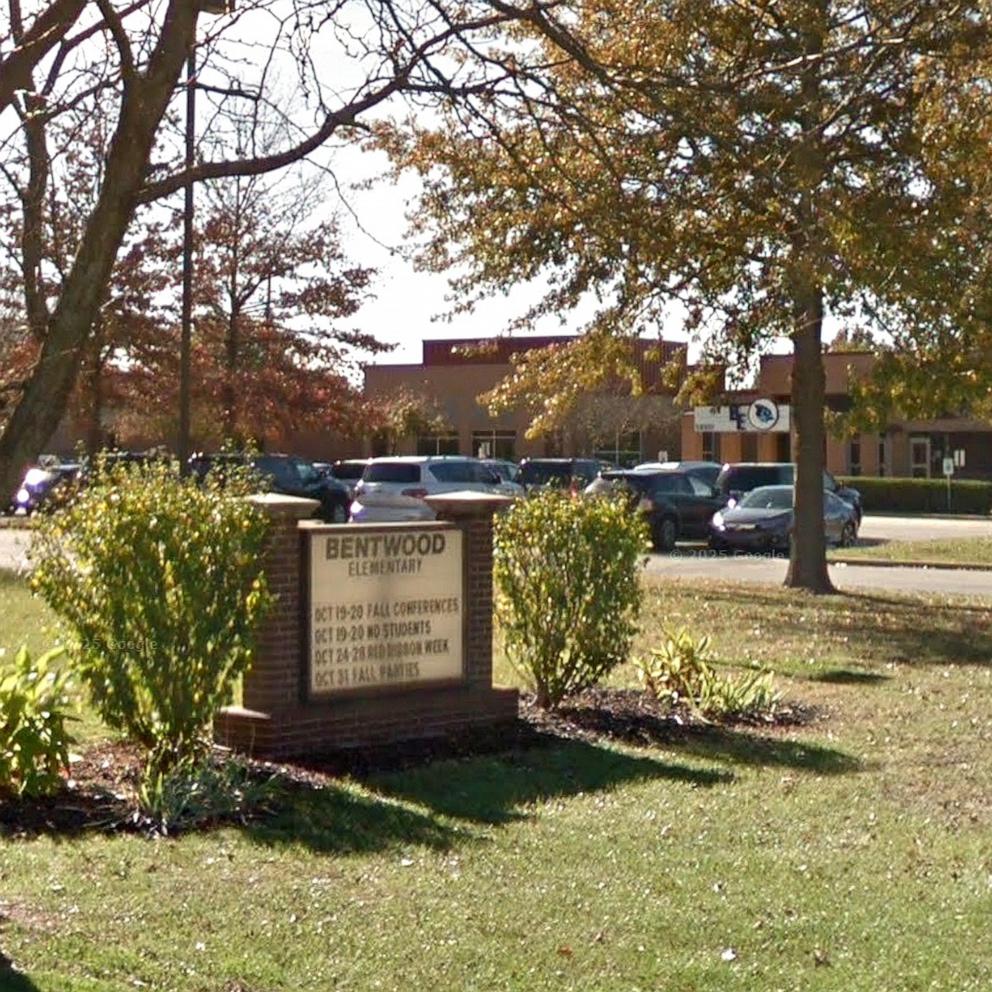
Nearly 100 cases of norovirus reported at Kansas elementary school, officials say

October 22, 2026

Teen shares the impact taking a GLP-1 drug has on his daily life

October 20, 2026

New FDA-cleared AI tool could help predict if breast cancer will return

October 15, 2026

Shop GMA Favorites

ABC will receive a commission for purchases made through these links.

Sponsored Content by Taboola

The latest lifestyle and entertainment news and inspiration for how to live your best life - all from Good Morning America.
  • Contests
  • Terms of Use
  • Privacy Policy
  • Your Privacy Choices
  • Children’s Online Privacy Policy
  • Advertise with us
  • Your US State Privacy Rights
  • Interest-Based Ads
  • About Nielsen Measurement
  • Press
  • Feedback
  • Shop FAQs
  • ABC News
  • ABC
  • All Videos
  • All Topics
  • Sitemap
  • Recalls and Product Safety Alerts

© 2026 ABC News
  • Privacy Policy— 
  • Your US State Privacy Rights— 
  • Children's Online Privacy Policy— 
  • Interest-Based Ads— 
  • Terms of Use— 
  • Your Privacy Choices— 
  • Contact Us— 
  • Recalls and Product Safety Alerts— 

© 2026 ABC News