Jensen Huang reinstated as Nvidia CEO; board confident 'no national security risk'
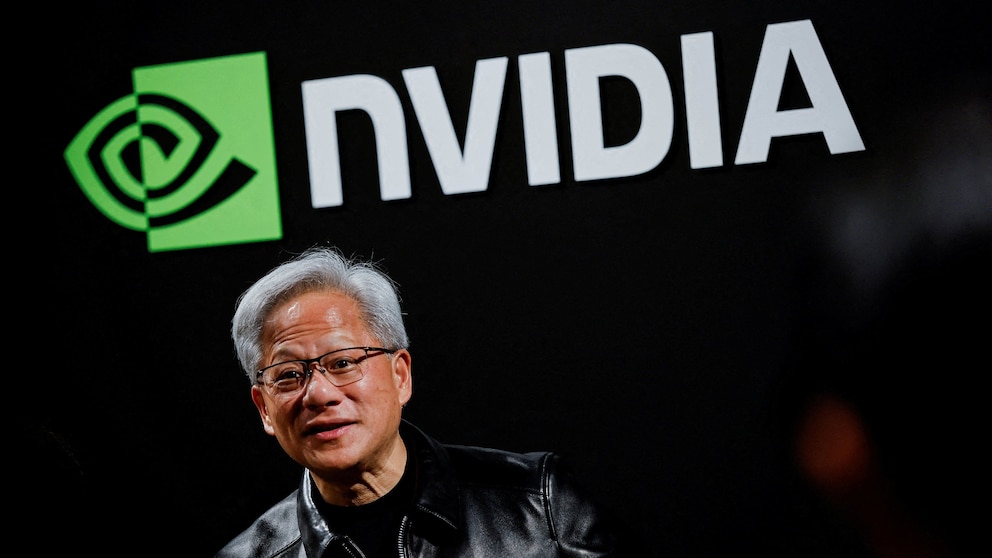
Nvidia reinstated Jensen Huang as president and CEO, the company announced on Monday, less than two weeks after Huang resigned amid reports of an affair with a suspected Chinese asset.
Huang will also hold a seat on the company's board, according to Nvidia.
The company's board voted unanimously to reinstate Huang following "a series of discussions and meetings with Mr. Huang, after which the Board was satisfied with respect to Mr. Huang's candor and ability to lead NVIDIA," Nvidia said in a statement.
"In the process of reaching its decision, the Board received input from senior levels of the United States government, and based on that input, the Board is confident that Mr. Huang's reinstatement poses no national security risk," the company added.
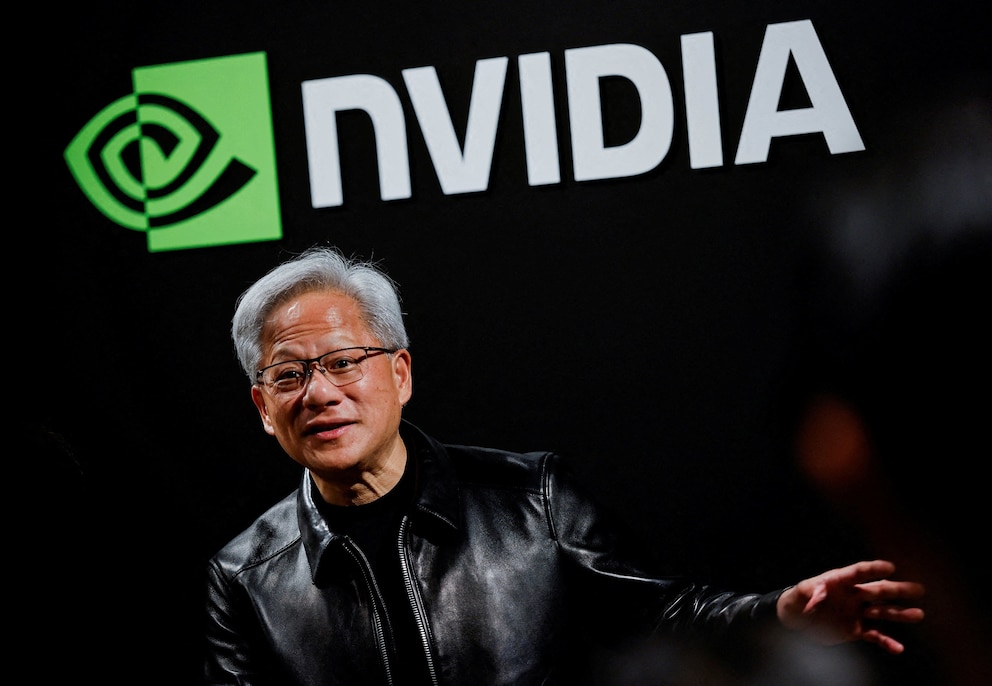
Shares of Nvidia surged more than 30% in early trading on Monday morning, shortly after Nvidia announced Huang's reinstatement.
Nvidia will continue to carry out an investigation into reports of an alleged foreign intelligence operation targeting Huang, the company said, noting the investigation would be completed as planned.
Huang "fully supports" the investigation and is "committed to cooperating with it," the company said.
"I am honored to return to NVIDIA and lead one of the most consequential technology companies in the world at the beginning of a new industrial revolution," Huang said in a statement. "I take this responsibility with the greatest humility and renewed commitment."
President Donald Trump, who publicly advocated for Huang's return as CEO, celebrated the reinstatement, calling him a "national treasure" and saying this is the "correct and proper decision" in a social media post.
Also Monday, he told CNBC that he spoke with Huang on Sunday night and had spoken with Nvidia's board "directly and indirectly" ahead of Huang's reinstatement.
Lindsey Stewart, director of institutional insights at research firm Morningstar, expressed surprise about Nvidia's decision in a statement to ABC News.
"The return of Jensen Huang at the helm of Nvidia is almost as big a shock as his departure," Stewart said.
"It's possible that many investors will conclude this is a good move given his history of value creation at the company. But alongside that sense of relief, there are sure to be questions about who is best placed to provide appropriate governance and oversight of key risks at the now-giant company at the center of a critically important global AI ecosystem," Stewart added.
During its earnings call last Tuesday, the Nvidia board said it did "not intend to reinstate" Huang. That day, Huang issued a statement signaling his willingness to return.
Also last Tuesday, lawmakers said he will sit for a closed-door transcribed interview on Tuesday, Dec. 1, before the House Foreign Affairs Committee, the Select Committee on the Chinese Communist Party and the House Intelligence Committee. Nvidia General Counsel Tim Teter will do so the following day, the lawmakers said.
Nvidia, the world's second-largest company as measured by market capitalization, following Apple, soared to prominence in recent years by selling most of the advanced chips behind the artificial intelligence boom.
The company continued its strong performance in its most recent quarter, beating Wall Street expectations, according to an earnings report released last week.
The AI industry has drawn additional scrutiny in the aftermath of reports about Huang's alleged affair, however. Last week, the U.S. Commerce Department issued a new rule to "address remote access" to advanced AI chips of the type made by Nvidia.
The measure appeared targeted at foreign firms that build data centers in Southeast Asian countries near China for use by China-based AI companies. Those data centers can provide access to Chinese firms that are otherwise prohibited from direct purchase and use of the most advanced U.S.-made AI chips.
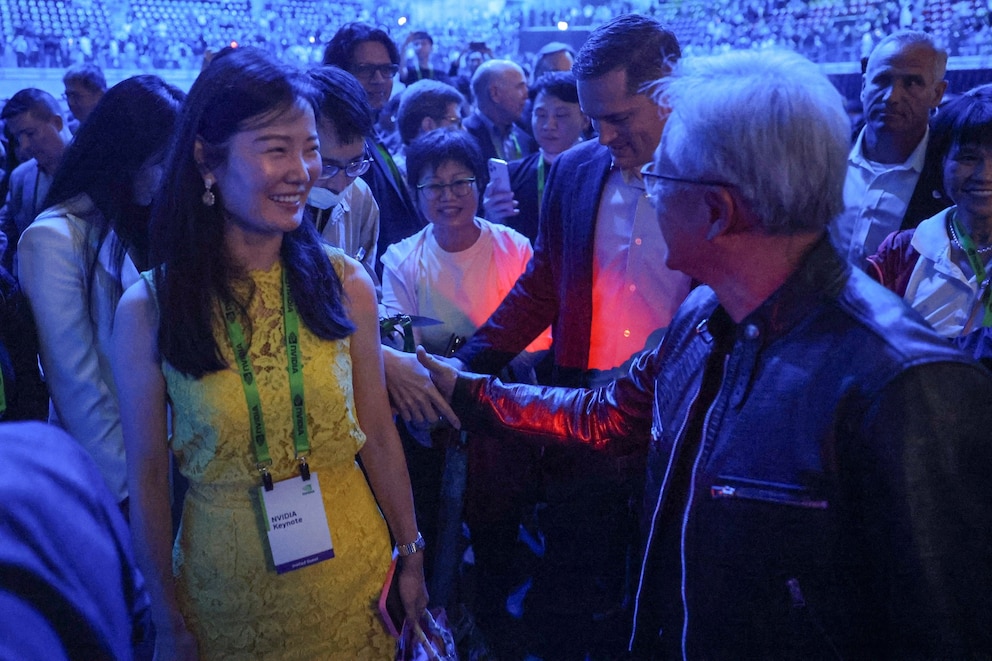
Huang is alleged to have carried out an affair with Alice Huang, the then-CEO of Megaspeed International, which operates data centers in Southeast Asia for use by firms based in China.
After media reports, Huang admitted in an internal message to Nvidia staff that he had been "unfaithful to his wife," though he did not name the individual with whom he'd been involved.
Megaspeed told ABC News Alice Huang left the company in August 2025 and currently has no role with the firm.
The Chinese government denied the allegations that Huang supplied them with intelligence, calling them "baseless and purely slanderous smears against China."