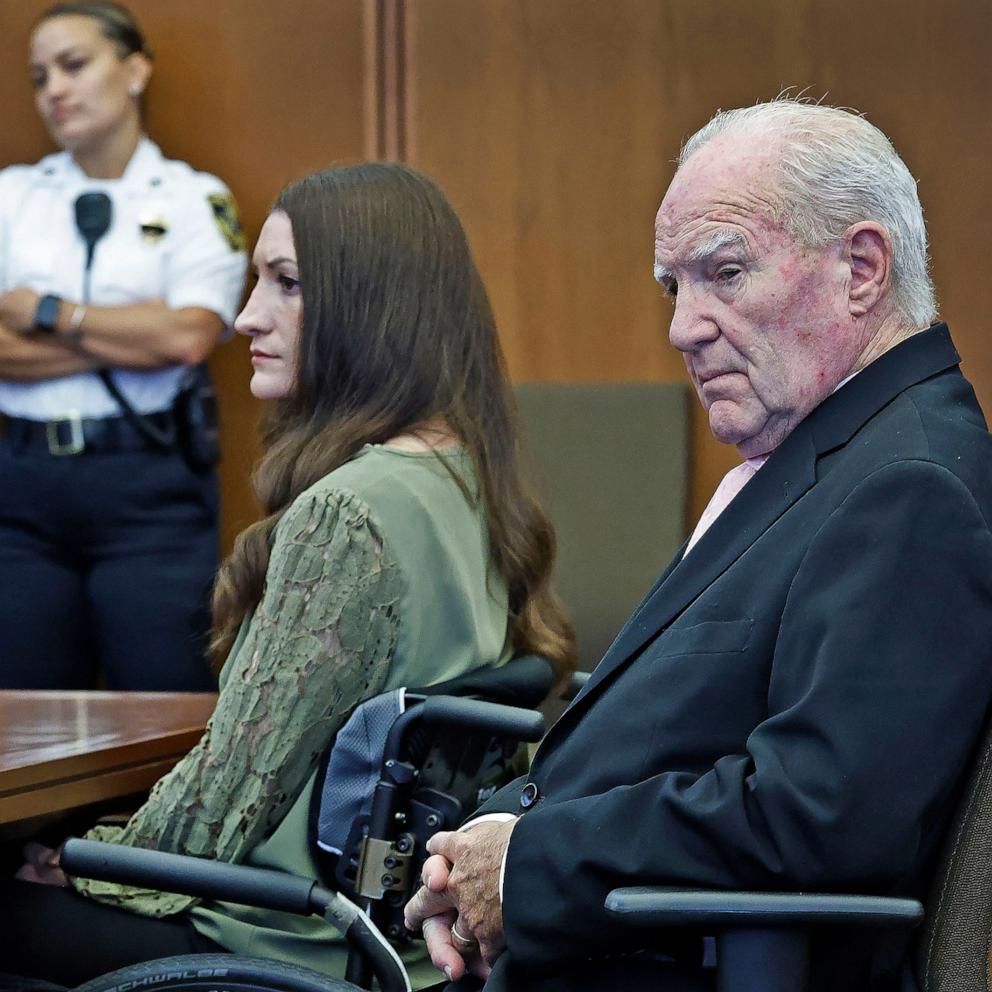
Lindsay Clancy jury deadlocked. What happens if there is a mistrial?
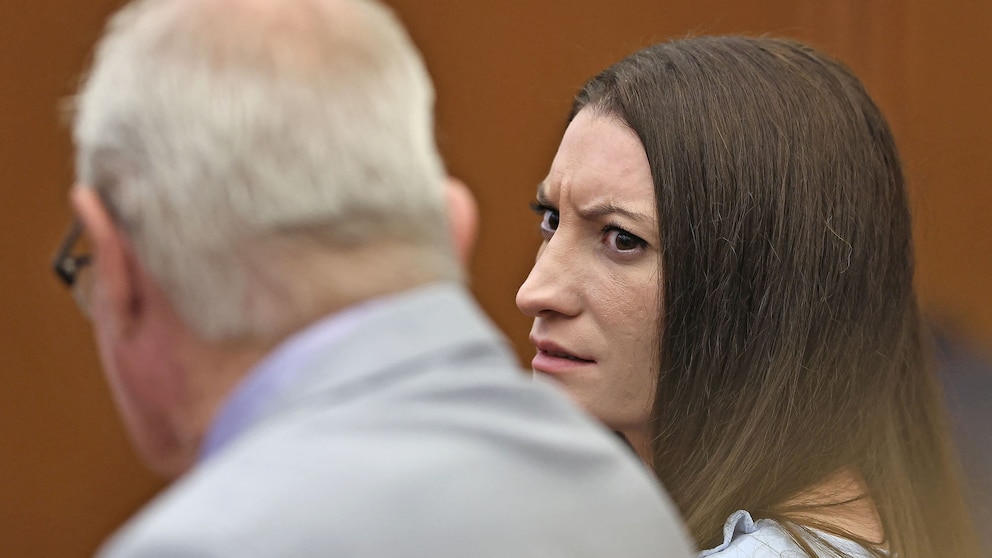
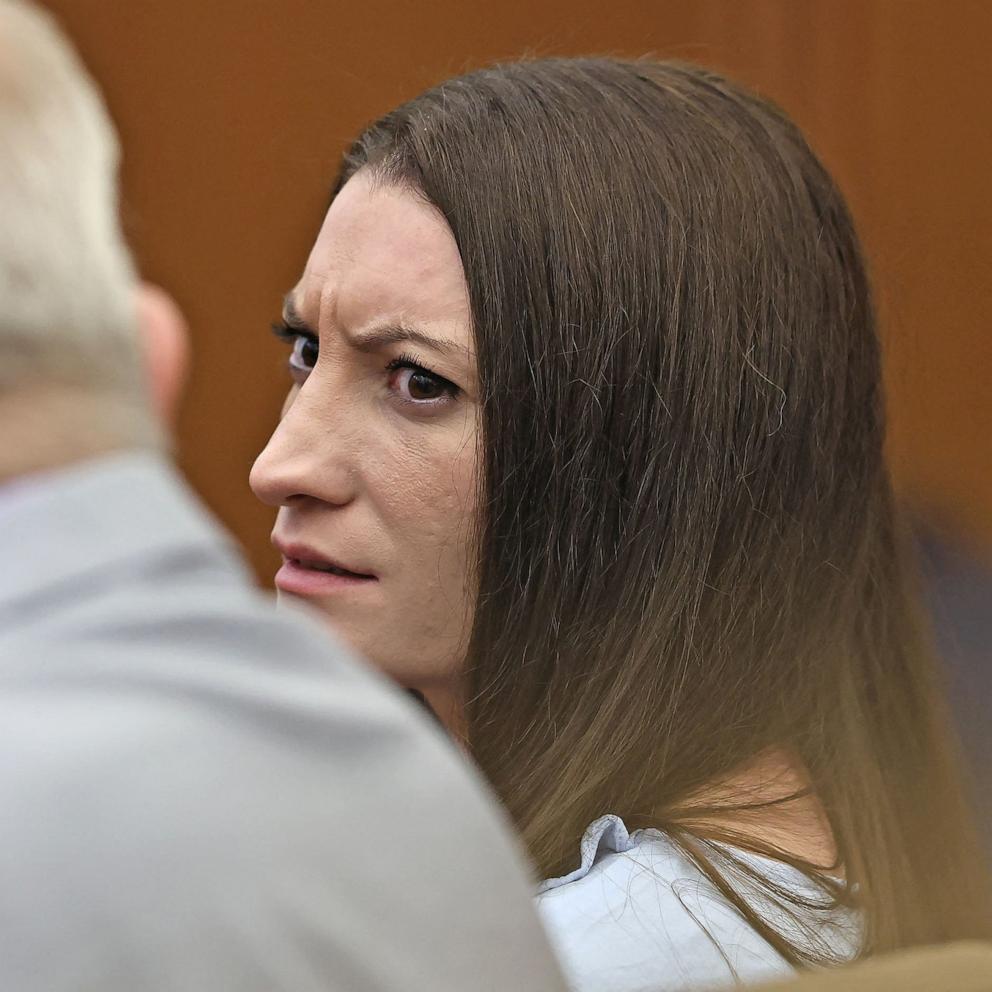
After nearly 40 hours of deliberations, the jury in the murder trial of Lindsay Clancy remains unable to reach a unanimous verdict.
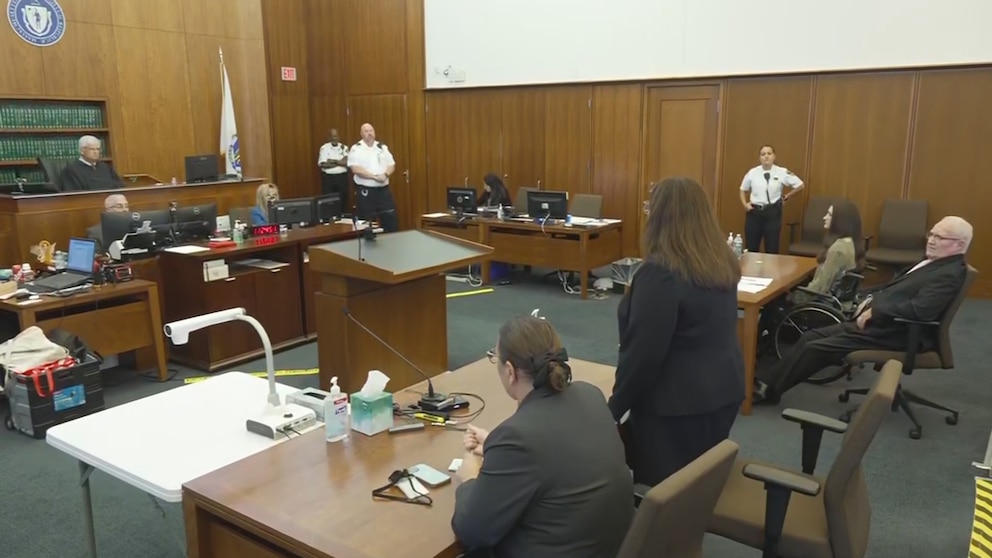
Judge William Sullivan was prepared to declare a mistrial Friday, but after an appeal from Clancy's attorney, Kevin Reddington, said he would give the defense attorney one hour to ask the state's highest court for an emergency stay.
Reddington will ask the Massachusetts Supreme Judicial Court to effectively force Sullivan to allow the jury to continue deliberating.
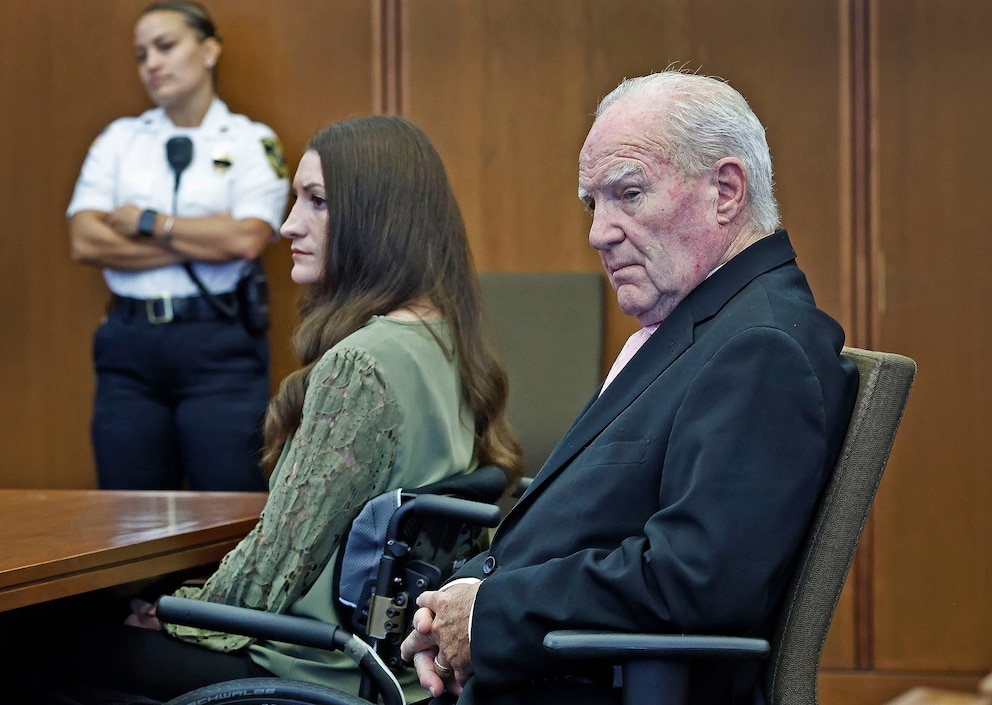
The jury in the trial has deliberated for seven days after hearing over five weeks of testimony concerning whether or not Clancy was suffering from postpartum psychosis when she strangled her children, and whether she should be held criminally liable for the killings.
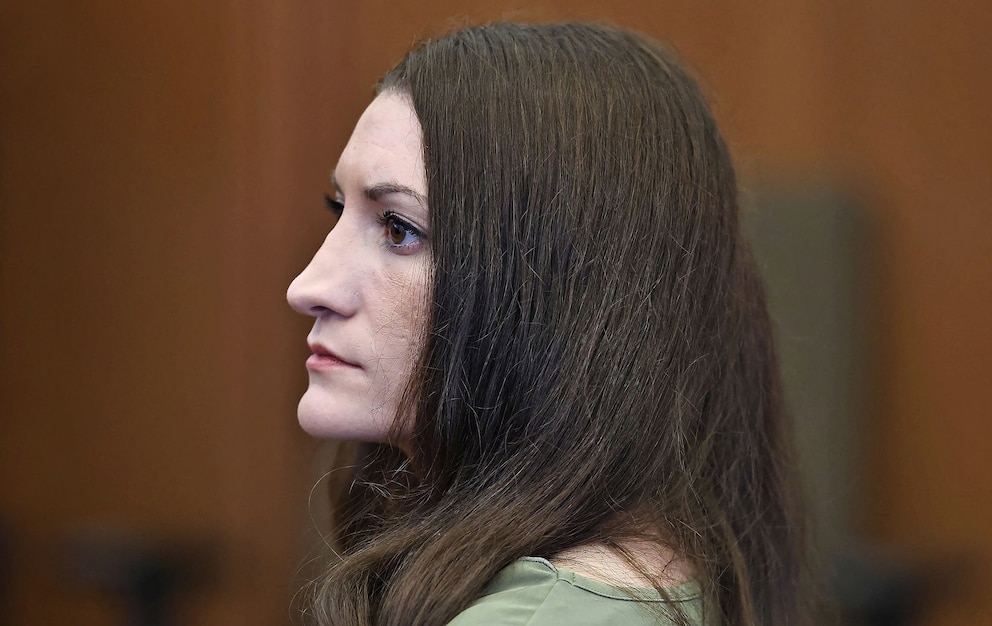
Clancy, 36, has pleaded not guilty to three murder charges for the deaths of her 5-year-old daughter Cora, 3-year-old son Dawson and infant son Callan at the family's home in Duxbury, a Boston suburb, on Jan. 24, 2023.
The former nurse attempted suicide on the night of her children's deaths, leaving her paralyzed and in a wheelchair, according to state prosecutors.
If a mistrial is declared, one of several next steps may transpire, according to ABC News legal analyst Brian Buckmire.
"First and foremost, the defense is probably going to ask for bail, some amount of money or release, that she does not have to be incarcerated pending the prosecution decision as to whether or not they're going to retry her," Buckmire said in an interview earlier this week.
Buckmire said the prosecution could make the decision to retry her "right then and there" or in the near future following a mistrial declaration.
Boston-based criminal defense attorney Peter Elikann said the prosecution could also choose to drop the case, though he added, "That's not all that likely."
Buckmire said a second trial is a likely scenario, in his opinion.
The second option, according to the attorneys, could be plea negotiations.
"In many cases, the prosecution, after having a deadlocked jury, will kind of say to the defense, 'Let's compromise. We'll break down the charges to something much lesser, and can we agree on that, that you'll plead to something, a much more minor charge,'" Elikann said.
Buckmire said it is possible, however, that prosecutors would not want to lessen any of the charges moving forward.
If Clancy is convicted of murdering her children -- if she is found criminally responsible for their deaths -- she faces a mandatory life sentence.
Jurors also have the option to find Clancy guilty of the lesser offenses of second-degree murder, which is punishable by a life sentence with the possibility of parole, or manslaughter, which carries a 20-year maximum sentence.
If she is found not guilty due to lack of criminal responsibility, the court would begin the process of committing Clancy to a state psychiatric facility.
Her commitment order would be subject to regular review by the court, though she could be committed to the facility indefinitely. If she is deemed no longer mentally ill and not a danger to the community, she could be released following a hearing.