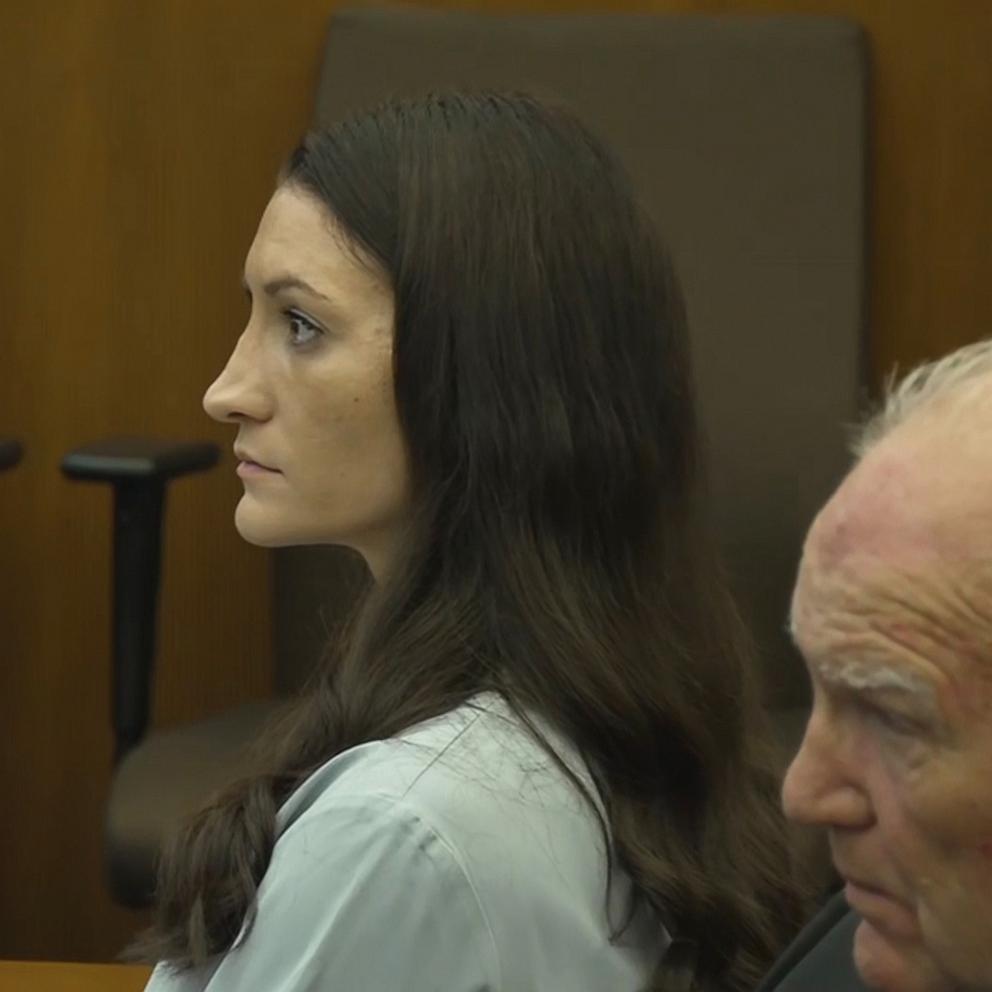
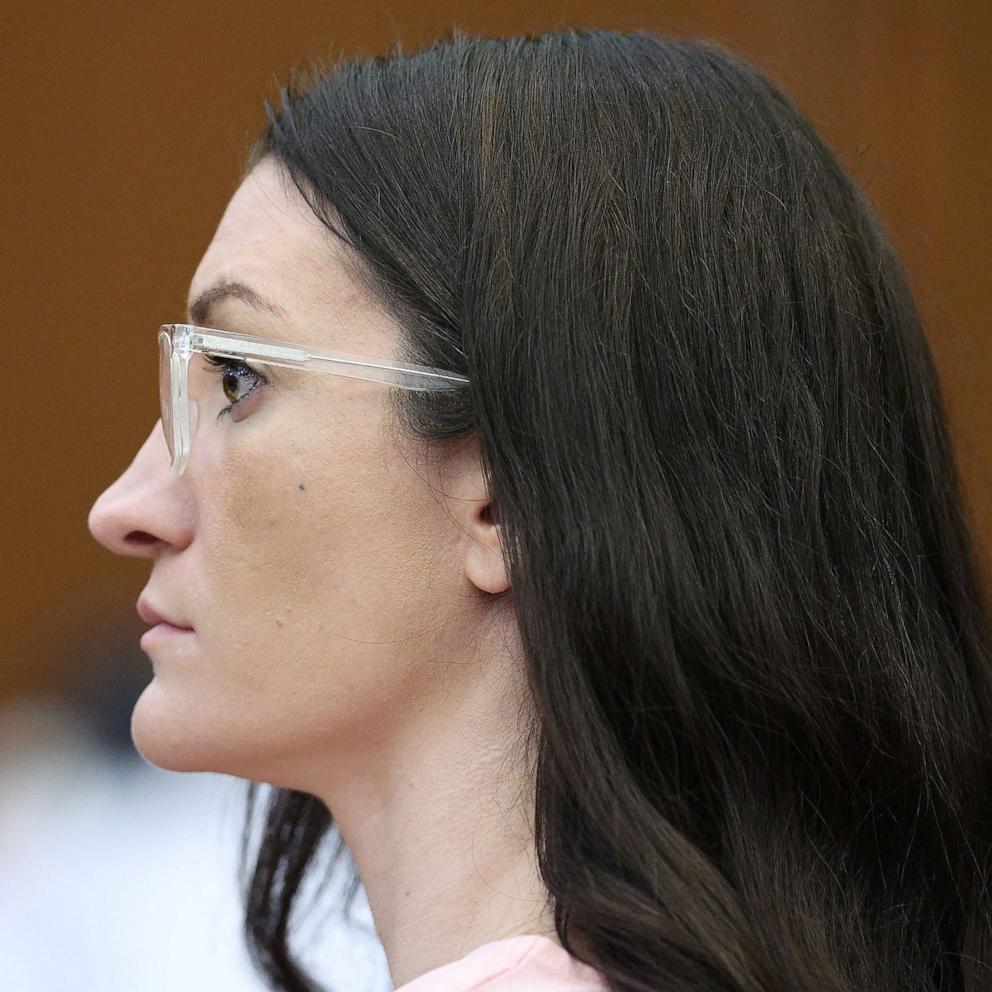
'I feel like I'm going to die': Nurse practitioner testifies about Lindsay Clancy messages
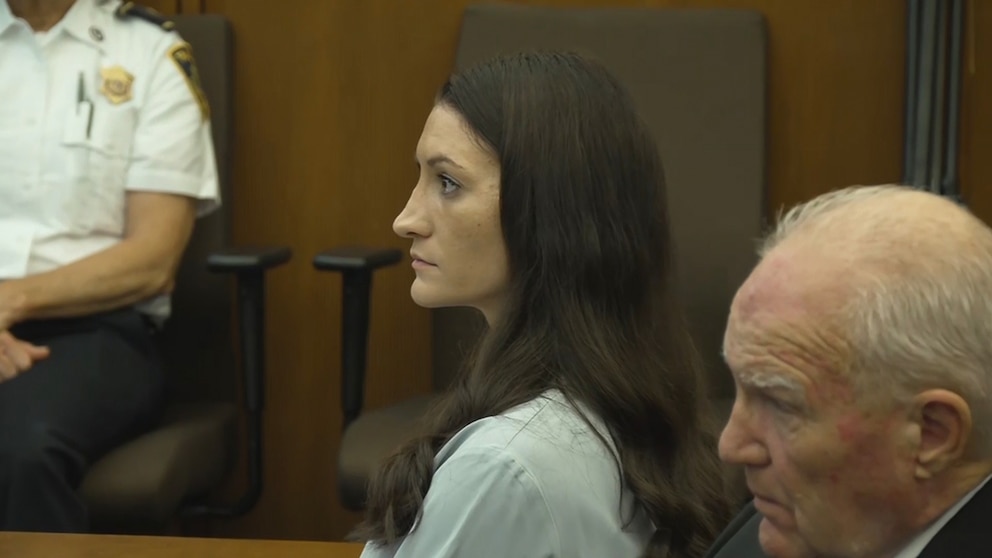
The psychiatric nurse practitioner who treated Lindsay Clancy testified on Tuesday about messages sent to and from the Massachusetts mother in the weeks before Clancy killed her children in January 2023.
The nurse, Rebecca Jollotta, testified Clancy repeatedly attempted to change psychiatric medications despite acknowledging that switching drugs would likely impact her mental health.
Jollotta testified that Clancy said she was scared about the impact changing medications would have on her.
"It's just a scary, very scary, stressful time for me, and starting new meds with side effects is very scary to me," Clancy wrote in one message, according to prosecutors.
Testifying Tuesday in Clancy's murder trial in Plymouth, Massachusetts, Jollotta told jurors: "I believe I responded to that, reassuring her that it's understandable to have fears, concerns about starting medications, and I sent her a detailed description of common questions and answers I get from patients about medications."
Clancy, 35, has pleaded not guilty to three murder charges in connection with the deaths of her 5-year-old daughter Cora, 3-year-old son Dawson, and infant son Callan at her family's home in the Boston suburb of Duxbury on Jan. 24, 2023.
Jollotta said she treated Clancy beginning in November 2022 after she reported issues with her anxiety and sleep deprivation. She said she believed Clancy had symptoms of postpartum depression, but noted that she was attributing the symptoms to her medications, rather than her underlying mental illness. She added that Clancy raised concerns that she might be addicted to Ativan.
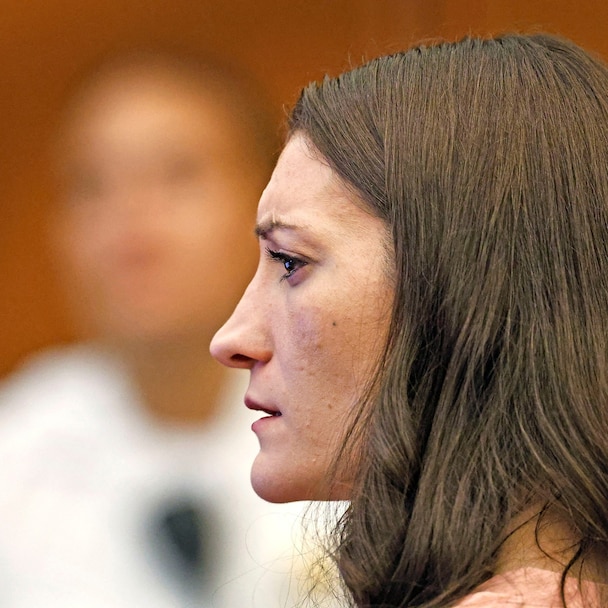
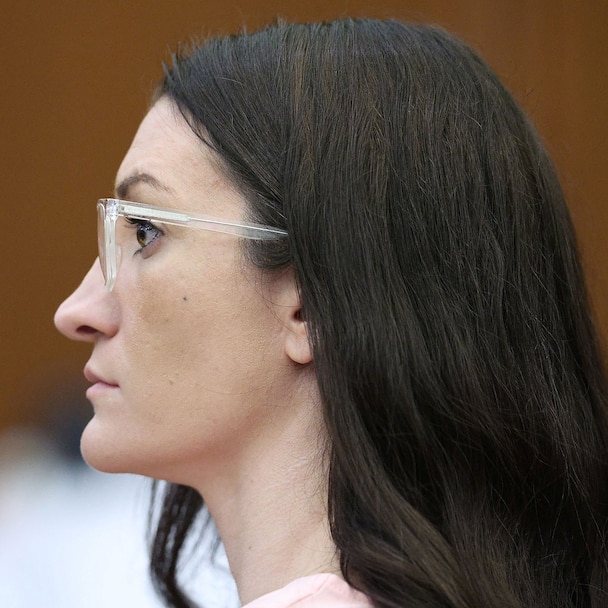
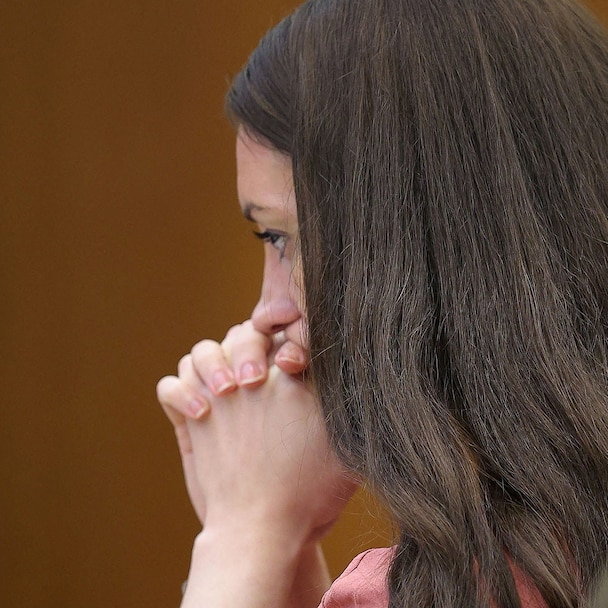
Clancy wrote in one message on her patient portal weeks before the killings, "I also just feel concerningly numb right now, like I have no emotion whatsoever. I feel like I'm going to die, and I don't care. What do I do about this?" according to prosecutors.
Jollotta testified that she tried to be encouraging that her conditions would improve and emphasized that medication often takes weeks to take effect.
"I said, 'Even though they feel terrible, remember that there are symptoms of an illness that is very real and very treatable. This is going to get better,'" Jollotta testified.
Jollotta is one of the medical professionals sued by both Clancy and her ex-husband for allegedly overmedicating and failing to properly treat Clancy. Jollotta has denied the allegations in the civil suit.
Clancy's attorney, Kevin Reddington, has argued in court that Clancy had severe mental illness and postpartum psychosis, a rare but serious medical emergency characterized by severe, rapid onset psychiatric episodes such as mania, depression or hallucinations.
Reddington has argued that the medical professionals entrusted to treat Clancy failed to communicate with each other and failed to properly diagnose and medicate her.
During cross examination by Reddington on Tuesday, Jollotta told jurors that she never communicated with Dr. Jennifer Tufts, the psychiatrist who was treating Clancy during the same time frame.
Reddington also argued that Jollotta was inaccessible during a brief vacation, while Clancy's mental health was deteriorating.
"You basically told her to tough it out and just hit me up when I come back from vacation, right?" Reddington alleged.
In response, Jollotta testified she requested Clancy hold off on tapering her medication, but said Clancy said she would go to her other psychiatrist.
At one point, Reddington claimed Clancy was rejected from a postpartum program at a nearby hospital "because of their concern that she had been overmedicated by drugs." He also noted that she called a crisis hotline twice but did not get the support she needed.