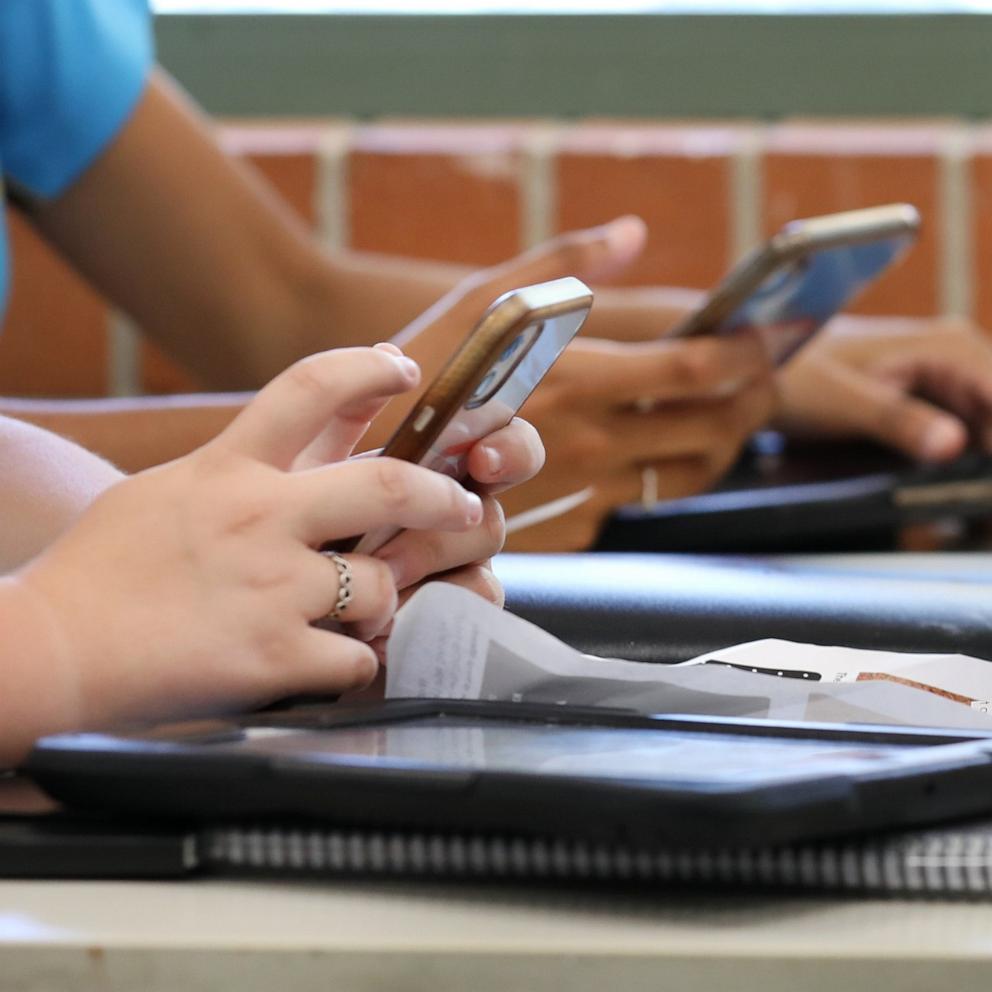
1 year into school cellphone bans, educators report calmer classrooms, stronger student connections
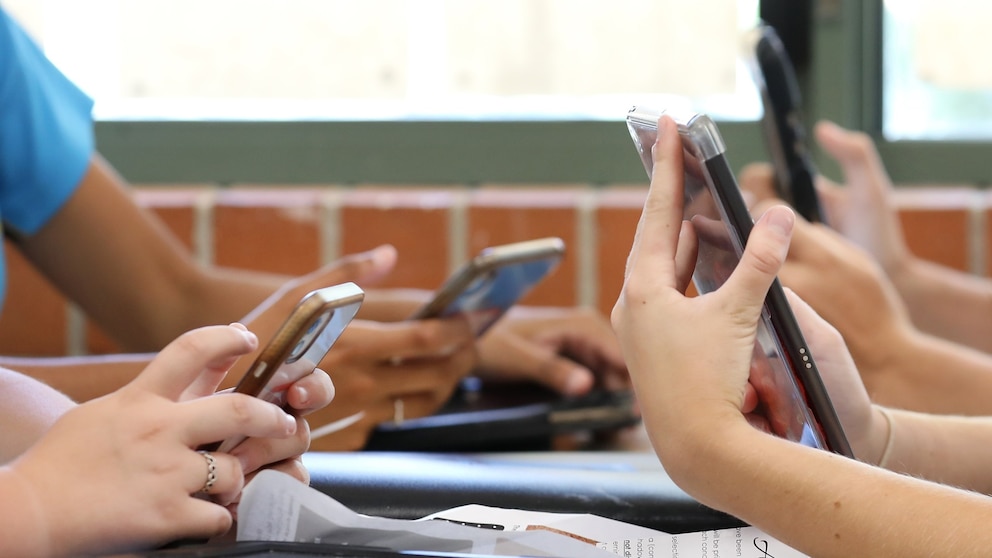
As more states move to restrict student cellphone use during the school day, early evidence from schools already enforcing similar policies suggests the biggest changes may be happening outside of test scores.
While researchers are still studying whether those changes ultimately lead to long-term academic gains, many school leaders say the cultural shifts alone have made the policies worthwhile.
"We're seeing what I think many educators would expect," Shavar Jeffries, CEO of the KIPP Foundation, which operates a national network of public charter schools, told ABC News, adding that the foundation has encouraged its high schools to adopt bell-to-bell cellphone restrictions.
"When our phones aren't competing for our students' attention, our classrooms are calmer, students are more focused," Jeffries said. "Teachers spend less time policing devices and they spend more time teaching."
The growing movement toward phone-free schools comes from mounting concerns about the role smartphones play in learning, attention and student welfare.
Roughly two-thirds of states have now adopted some form of cellphone restriction in schools, with additional legislation under consideration in states including Pennsylvania ahead of the 2026-27 school year, according to an April report published by the National Bureau of Economic Research.
On Monday night, Denver Public Schools became the latest school district to enact a bell-to-bell cellphone ban for its nearly 90,000 students in a unanimous vote by the district's Board of Education, according to local ABC affiliate Denver7.
In New York, Gov. Kathy Hochul recently highlighted results from her state's first year under such a ban, which took effect in September 2025. According to a statewide survey touted by Hochul, teachers reported fewer classroom distractions, stronger student engagement and improved social connections among students.
Many respondents among the nearly 600 educators surveyed said students were also participating more in classroom discussions and spending more time interacting face-to-face with peers, New York ABC station WABC-TV reported.
Jeffries said KIPP schools with cellphone bans have seen similar results.
"We also see that the impact of these cellphone bans go beyond instruction," he said. "Our students [are] reporting stronger connectivity with their classmates, more face-to-face conversation. Teachers report deeper classroom conversations. Our counselors in our schools, since we initiated these bans, report fewer conflicts, less bullying connected to social media."
"Across the board, we're really seeing some significant benefits," he added.
Research points to behavioral changes
While many educators say classrooms feel noticeably different without phones, researchers say measurable academic gains may take longer to emerge.
According to the April NBER report, which was authored by researchers from Stanford University, Duke University, the University of Pennsylvania, and the University of Michigan, and analyzed more than 40,000 schools, strict cellphone bans dramatically reduced phone use during the school day.
Overall, student phone use during class dropped by roughly 80% in schools using lockable phone pouches, according to the report.
The report stated that there was little immediate impact on standardized test scores, attendance or bullying rates. Researchers also observed an initial increase in disciplinary incidents and a temporary decline in student well-being as schools adjusted to the new rules, though those effects eased over time.
For Jeffries, those findings are not surprising.
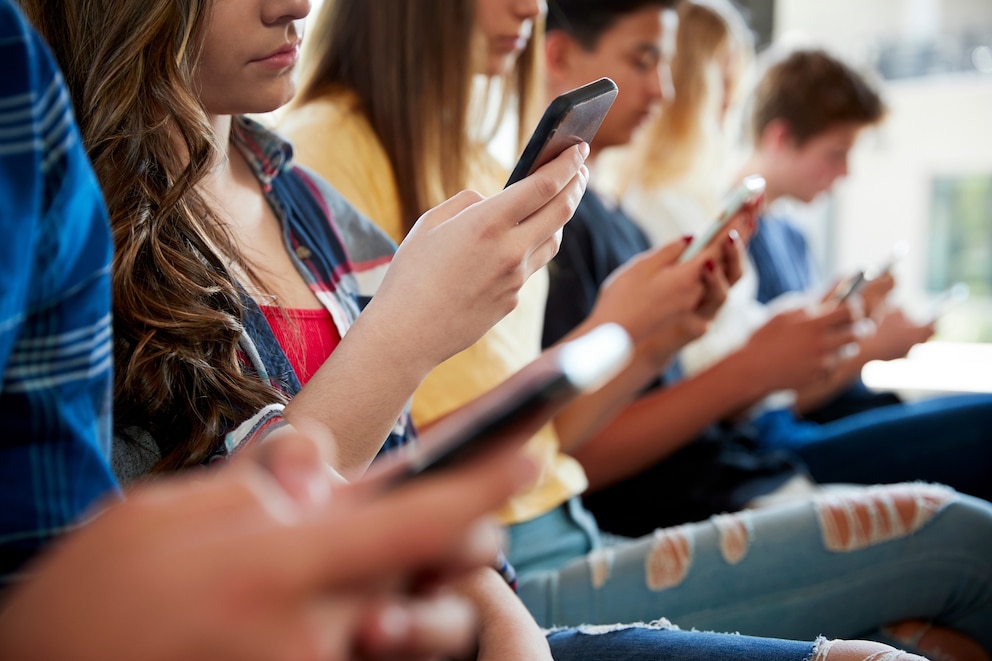
"I think it's very hard to disaggregate the various inputs that are associated with increased academic proficiency or test scores and just disaggregate that to the cellphone ban," he said. "Academic results really come from strong teaching, strong curriculum, attendance, having a strong education-focused culture in your school, and support for teachers and students."
Still, Jeffries said he believes cellphone-free environments help create the conditions necessary for learning.
"A cellphone-free environment is very conducive to those approximate causes of student learning," he said. "Having an environment in which teachers and students can focus on instruction, can focus on learning, absolutely facilitates academic gains."
Some localized studies have shown more encouraging academic outcomes.
Research published in May in the academic journal Education Next found that students in one Florida school district with a bell-to-bell cellphone ban posted higher test scores two years after an all-day cellphone ban was implemented. The study also found a reduction in unexcused absences, with researchers suggesting improved attendance may help explain some of the academic gains, particularly among middle and high school students.
Some parents though have decried the bans and their effectiveness. National Parents Union President Keri Rodrigues told ABC News that technology is inescapable and the data hasn't correlated to increased academic performance.
"I think it is incredibly naive to think that we are going to pull screens [out of the classroom] and technically have this ostrich head in the sand moment, where suddenly our kids are just going to graduate K through 12 education and be prepared to interact in society," Rodrigues said.
"It doesn't make any sense," she added.
Nationwide, support among adults remains significantly higher than among teens. According to a Pew Research Center survey conducted in June 2025, nearly three-quarters of U.S. adults support banning cellphone use during class. By contrast, a Pew Research survey conducted in September last year found only 17% of teens support all-day cellphone restrictions.
Jeffries pointed to one KIPP school as an example of what he says can happen when students spend less time focused on their devices.
At KIPP Nashville Collegiate High School, he said, chronic absenteeism dropped from 36% to 10% after the school adopted cellphone-free requirements. Average daily attendance increased, and the school also saw academic improvements, according to Jeffries.
He said that even with some concerns about being able to reach students during emergencies, most parents of KIPP students have ultimately supported the policies.
"We found most of our parents actually are very supportive of banning phones during the school day because they frankly are wrestling with how to have less cellphone use [for] their child outside of school," Jeffries said.